Reviewing Thanks for Being a Great Teacher for Real Embroidery Projects
As a designer who spends more time at the hoop than away from it, I approach every new machine embroidery design with a critical eye. It is not enough for a file to look crisp on a screen; it must survive the tension of the frame, the pull of the needle, and the scrutiny of a paying customer. Recently, I evaluated the Thanks for Being a Great Teacher graphic to determine its viability for actual production. While the product description highlights its compatibility with cutting machines like Cricut and Silhouette as an SVG vector, my focus was strictly on how this asset translates into a tangible embroidery project for apparel and home decor.
First Impressions and Visual Personality
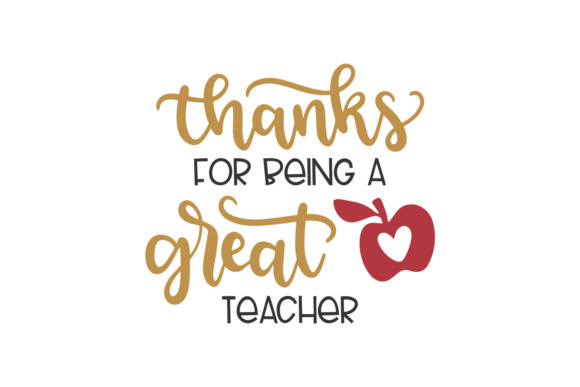
The initial mood of the Thanks for Being a Great Teacher layout is warm and appreciative, striking a balance between professional respect and personal gratitude. In the world of Crafts and Graphics, teacher appreciation designs often lean too heavily into clichés like oversized apples or chaotic chalkboard scribbles. This design, however, feels more refined. The typography appears to be the hero here, suggesting a clean aesthetic that works well for modern boutique branding.
When visualizing this as a stitched piece, the flow of the letters suggests a need for precise digitizing. If you are planning to use this for a handmade product, the visual personality leans toward classic elegance rather than playful whimsy. This makes it versatile. It does not scream "elementary school craft fair"; instead, it whispers "thoughtful, high-end gift." For an Etsy seller or small shop owner, this distinction is vital. Customers are increasingly looking for sophistication in their personalized gifts, and a design that avoids visual clutter often commands a higher price point.
Real-World Application: The End-of-Year Gift Rush
To truly test the potential of this design, I imagined a specific real-life scenario: preparing a batch of custom tote bags for a local PTA's end-of-year teacher appreciation event. The goal was to create a finished product that teachers would actually use, not just display on a shelf.
In this context, the Thanks for Being a Great Teacher text needs to hold up against the texture of canvas or heavy cotton. If the original vector lines are too thin, they may disappear when converted to a running stitch or narrow satin stitch on a textured fabric. Conversely, if the design is intended for a smooth polo shirt or a structured cap, the clarity of the lettering becomes even more paramount. I envision this working beautifully on a neutral-colored tote bag design where the thread colors can pop against the background, creating a statement piece that feels both professional and heartfelt.
Another strong use case is sweatshirt embroidery. A cozy crewneck with this message stitched across the chest or on the sleeve makes for an excellent holiday embroidery gift or a staff uniform for a tutoring center. The key here is scale. On a bulky garment, the design needs enough presence to be readable from a distance, yet not so dense that it creates a stiff, uncomfortable patch on the fabric.
Technical Considerations for Stitching
Transitioning from a digital embroidery file to a physical stitch-out requires careful attention to technical details. Since the source material is described primarily as an SVG for cutting machines, there is a crucial step missing for embroiderers: digitization. Unless you are purchasing a pre-digitized version specifically for embroidery machines, you cannot simply load an SVG into your machine and expect perfect results. You must ensure the file has been properly converted with appropriate stitch types.
For the lettering in Thanks for Being a Great Teacher, I recommend using a tight satin stitch for smaller text to maintain sharp edges, while larger elements might benefit from a light fill stitch to prevent puckering. Stitch density is a major factor here. Too dense, and the design will become rigid and may cause the fabric to pucker, especially on stretchy materials like t-shirts or baby clothes. Too light, and the backing fabric might show through, ruining the professional look.
Fabric choice plays a massive role in the success of this design. On dark fabrics, you will need to verify that the digitizing includes a proper underlay to prevent the garment color from bleeding through the threads. On textured fabrics like terrycloth towels or waffle-weave aprons, the fine details of the font might get lost. In those cases, simplifying the design or increasing the stitch width is necessary. Always test the design on scrap fabric first. This is non-negotiable for any serious craft business. Check how the design behaves on both light and dark backgrounds before committing to your final inventory.
Navigating Challenging Surfaces
There are specific scenarios where this design requires extra caution. If you plan to apply this to curved surfaces, such as the front panel of a baseball cap, the layout must be adjusted to account for the curvature. Straight text can appear distorted on a cap if not digitized with column shifts or pull compensation. Similarly, for baby embroidery on onesies, the hoop size limitations and the stretchiness of the knit fabric demand a lighter touch. A heavy design can weigh down a delicate garment, making it uncomfortable for an infant.
Small details are also a risk area. If the design includes intricate swashes or very fine serifs, these may not stitch out cleanly at smaller sizes. Inspect small details closely in your preview software. If certain elements look fragile, consider removing them or thickening them up. Remember, what looks good as a vector line art does not always translate perfectly to thread.
Commercial Viability and Brand Consistency
For commercial embroidery projects and digital product sellers, the consistency of the output is everything. Your brand reputation relies on the quality of the custom apparel or embroidered patch you deliver. The Thanks for Being a Great Teacher design offers a solid foundation for building a seasonal collection. Whether used for wedding gifts for educators, nursery decor, or small shop product lines, the design's clean lines support a high perceived value.
However, before listing this as a printable mockup or selling finished items, you must confirm the licensing terms. The product description mentions compatibility with various cutting machines but does not explicitly detail the commercial rights for embroidery usage. Always check whether the license allows for unlimited sales of finished physical goods or if there are restrictions on digital redistribution. Protecting your craft business means respecting intellectual property and ensuring you have the right to profit from your labor.
Final Verdict for Makers
The Thanks for Being a Great Teacher design holds significant promise for creators who understand the nuances of thread and fabric. It is not just a graphic; it is a potential centerpiece for a meaningful gift or a profitable product line. Its strength lies in its versatility, fitting seamlessly into contexts ranging from holiday gifts to everyday boutique branding.
To maximize its potential, treat the file with the respect it deserves. Do not rush the setup. Choose your thread colors wisely to ensure contrast and readability. Select the right stabilizer to support the fabric weight. And above all, stitch a sample. By taking these practical steps, you transform a simple digital asset into a cherished handmade product that honors the recipient and elevates your reputation as a skilled artisan. Whether you are an experienced decorator or a hobbyist looking to refine your skills, this design rewards those who pay attention to the details.