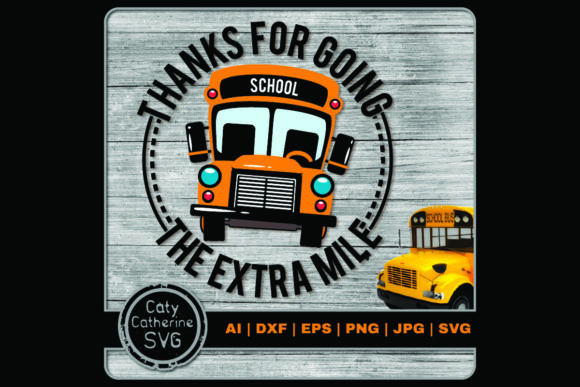
Back 2 School Graphics for Crafts and Blogs
As a digital publisher who spends more time tweaking CSS than writing copy, I approach every new graphic design asset with a critical eye. It is not enough for an image to look cute; it must perform. When I first opened the files for Back 2 School, my immediate thought was not just about the aesthetic, but about the workflow. In the high-stakes world of content marketing and affiliate blogging, visual consistency is the glue that holds reader trust together. This collection immediately struck me as a versatile tool for bridging the gap between playful seasonal content and professional editorial design.
The mood of this asset is distinctly nostalgic yet modern. It avoids the cluttered, overly cartoonish style that often plagues seasonal graphics, opting instead for clean lines and bold shapes that translate well across different mediums. For a blogger or website owner, this means the difference between a design that looks like a hobby project and one that looks like a branded media property. The visual hierarchy inherent in these vectors allows them to sit comfortably behind headline text without competing for attention, a crucial factor when designing website headers or hero images.
Integrating Vectors into Your Publishing Workflow
The true value of Back 2 School lies in its adaptability within a real publishing environment. While the source material highlights its compatibility with cutting machines like Cricut Explore and Silhouette Cameo for physical Crafts, my focus is on its digital potential. As a publisher, I see this SVG vector file as a foundational element for a multi-channel content strategy. Because SVGs are resolution-independent, they remain crisp whether displayed on a retina desktop monitor or a compressed mobile screen.
Consider the lifecycle of a typical blog post during the late summer rush. You need a featured image that stops the scroll, a Pinterest pin that drives traffic, and a newsletter banner that retains subscribers. Back 2 School serves all these functions. I can easily import these vectors into a Canva template to create a series of cohesive social media graphics. The clean geometry works exceptionally well for creating custom icons for a digital guide or breaking up text in a long-form article about classroom organization or student budgeting.
Furthermore, for those of us running affiliate sites, these design assets are perfect for creating custom call-to-action buttons or highlighting product reviews. Instead of using generic stock photos that everyone else has, using a unique vector set helps establish a stronger brand identity. It signals to the reader that you have invested in your presentation, which subconsciously boosts credibility before they even read the first sentence.
Maximizing Click-Through Rates with Strategic Design
In the competitive landscape of affiliate marketing, the first impression is often the only impression. A strong visual hook can significantly improve click-through potential. The Back 2 School graphics offer a fresh take on a saturated niche. By using these vectors as accents rather than backgrounds, you create a sophisticated look that appeals to parents and educators alike. They feel educational without being dry, and artistic without being abstract.
I envision using these elements to create downloadable resources, such as checklists or planners, which act as powerful lead magnets. When a user sees a professionally designed printable, they are more likely to exchange their email address. The scalability of the SVG format ensures that if you decide to sell these as part of a digital download bundle later, the quality will hold up against any scrutiny. It transforms a simple blog post into a comprehensive resource hub.
However, versatility requires caution. While these graphics are robust, they should be used carefully in specific contexts. On small mobile thumbnails, intricate details might get lost if the vector is too complex or if the stroke weight is too thin. I recommend testing the asset at various sizes before finalizing your blog graphics. Additionally, avoid placing these vectors over busy, low-contrast backgrounds. They shine brightest when given breathing room, perhaps against a solid color block or a subtle texture that complements the "school" theme without overwhelming it.
Practical Notes for Web Performance and Licensing
From a technical standpoint, integrating Back 2 School into your site requires a few best practices to ensure optimal performance. Even though SVGs are generally lightweight, always review the file size before uploading. If you are converting these to PNGs for broader compatibility, ensure you compress images properly to maintain fast load times, which is a ranking factor for SEO. Test how the graphics look beside different typography styles; they pair beautifully with both handwritten fonts for a personal touch and clean sans-serif fonts for a modern, editorial look.
It is also vital to confirm the licensing terms before deploying these on monetized websites. While the original description emphasizes compatibility with cutting machines for personal Crafts, using them for commercial design purposes—such as in a paid course, an eBook cover, or on an ad-supported blog—requires a clear understanding of the commercial license. Always verify that your usage aligns with the creator's terms to protect your business from legal issues.
Ultimately, Back 2 School is more than just a cut file; it is a strategic component for content creators looking to elevate their visual storytelling. Whether you are designing a newsletter header, crafting a printable design for your audience, or refreshing your category thumbnails, this asset provides the polish needed to stand out in a crowded digital space. By treating these vectors as integral parts of your web design system rather than afterthoughts, you create a cohesive, professional experience that keeps readers coming back.